Location:


 Return to News
Author: Scott Lindsey
Until about a year ago, most of my career had been focused on the U.S. beef market. I understood imports, but they weren’t something I thought about every day. That changed as a professional transition brought me closer to the Australian beef industry than ever before.
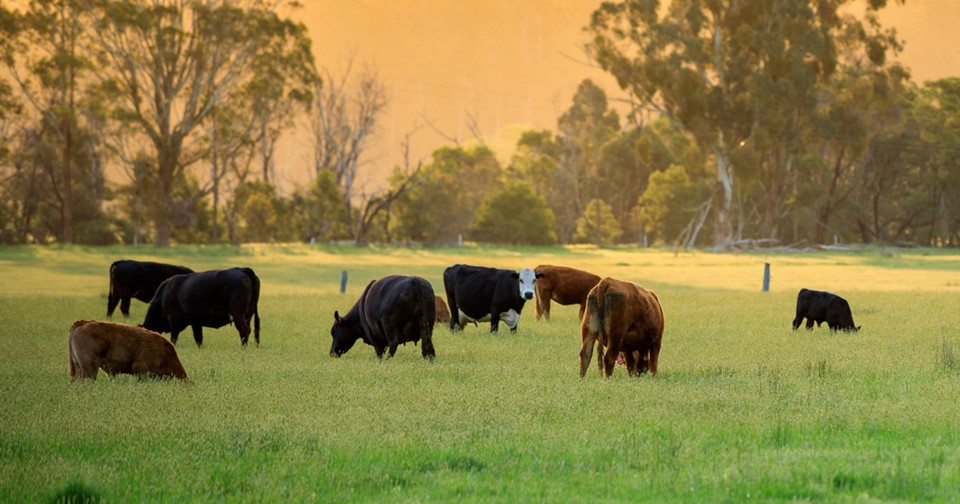
Over the past year, I’ve had more conversations about Australian beef than at any other point in my career. One of the highlights was traveling to Australia with a key customer and seeing the industry firsthand. It wasn’t just an opportunity to visit production facilities. It was a chance to see a completely different way of thinking about cattle, fabrication, and value.
That trip changed my perspective. Before then, I probably viewed Australian beef the same way many of my domestic peers still do, as an imported product that helped fill supply gaps when domestic supplies tightened. Today, I see it differently.
That doesn’t mean Australian beef replaces U.S. beef. Rather, I’ve come to see it as another tool that helps buyers solve different operational, merchandising, and supply challenges.
With the U.S. cattle herd at its lowest level in decades and rebuilding expected to take time, Australian beef is becoming part of a broader sourcing strategy rather than simply a backup plan.
That makes one question more important than ever.
How do we create the most value from the product we’re buying?
One of the biggest misconceptions is treating Australian beef as though it’s a single product. It isn’t. Australia produces a myriad of products that can create value across every segment of our industry. They are not competing products. They are different tools for different applications.
The conversation should not be about whether Australian beef is better than domestic beef. It should be about understanding which product creates the most value for the customer.
Sometimes a lean profile and strong consumer story are the right fit. Other times a program calls for specific eating-quality attributes. In many cases, lean trim is exactly what is needed. Ultimately, the solution is determined by the needs of the customer and the market. The operations creating the most value are matching the product to the customer, the menu, and the operation.
Understanding the product is only part of the equation. Creating value often comes down to what happens next.
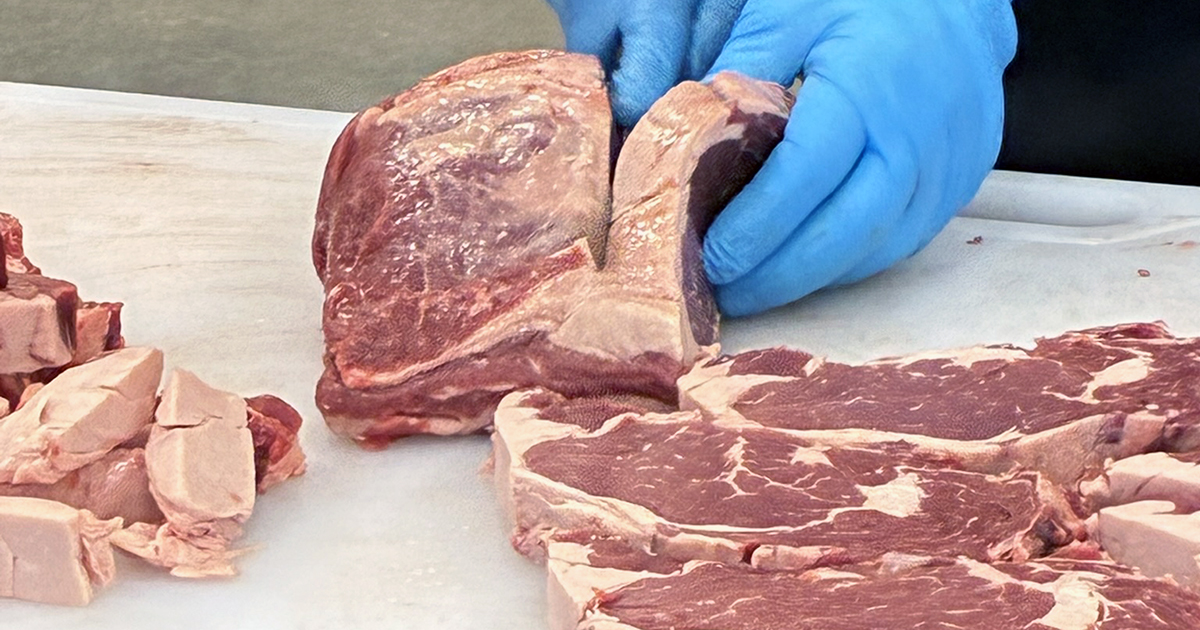
Australian cattle often differ from what many U.S. operators work with every day. Carcass size, fat cover, and muscle shape all influence how the product performs. Those differences are not disadvantages. They simply require a different approach. The cutting strategy that delivers the best yield on one product will not necessarily deliver the best yield on another.
Labor is another piece of the equation.
An operator with experienced meat cutters may benefit from the flexibility that boxed subprimals provide. Another operation dealing with labor constraints may create more value through case-ready products or custom specifications. The best answer is not universal. It depends on the operation.
Some of the biggest opportunities also come from cuts that do not always get the attention they deserve. A bavette, top sirloin cap, or petite sirloin can become strong value items when they are matched to the right application. Creating value is not always about buying something different. Sometimes it is about looking at familiar products differently.
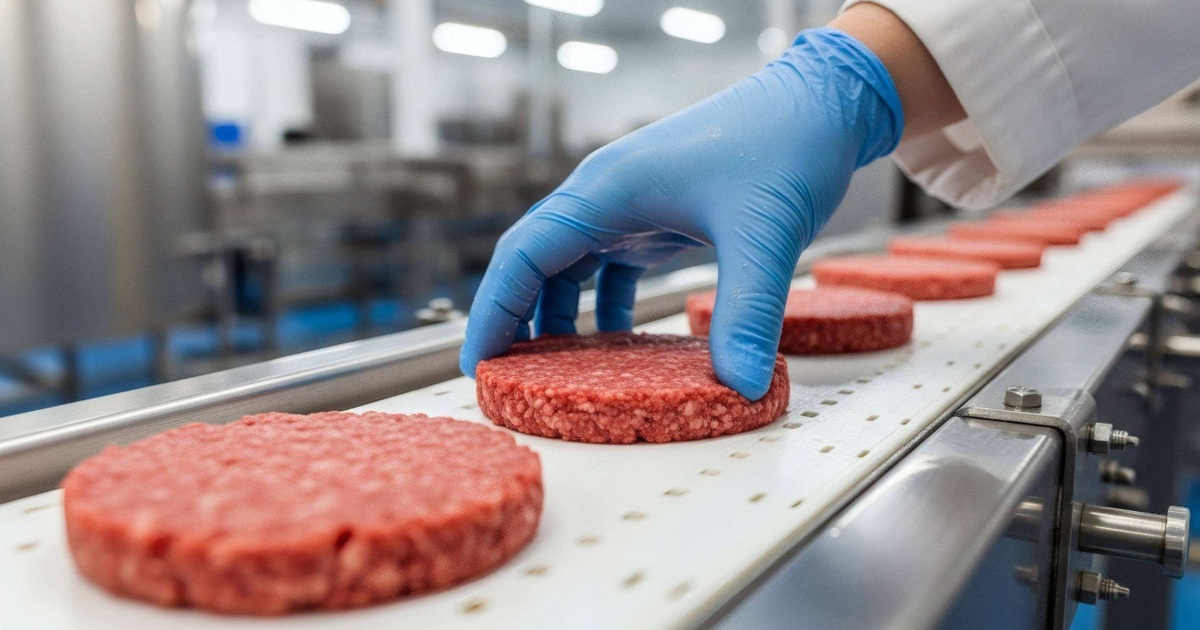
The same principle applies to fabrication. Australian beef’s naturally lean profile can create opportunities to optimize whole muscle yield while producing clean, lean trim that fits a wide range of grinding programs. Small decisions made in the cutting room often have a much greater impact on profitability than most people realize.
As more buyers evaluate Australian beef as part of their sourcing strategies, experience will matter. The teams that consistently create the most value will not necessarily be the ones with the lowest costs. They will be the ones that understand the product well enough to recognize opportunities others miss. Whether it is adjusting specifications, approaching fabrication differently, or matching products more effectively to customer needs, those small decisions compound over time.
Australian beef is not replacing U.S. beef, and it should not be viewed that way. It is becoming an increasingly important part of a global protein market that is more connected than ever.
It also should not be viewed simply as a premium product or an imported alternative. It should be viewed as another tool that helps businesses solve different commercial challenges. Whether the goal is supply security, merchandising flexibility, yield, consistency, or eating quality, the greatest value comes from understanding where each product fits.
The industry leaders of the next decade will not simply be the ones that buy Australian beef.
They will be the ones who understand where it creates the most value.