Location:


 Return to News
Written by Michael Hicks
Foodservice operators are being asked to do something incredibly difficult right now: keep beef on the menu while prices continue to climb and supply continues to tighten. From quick-service to fine dining, foodservice operators across the country are navigating unfamiliar headwinds: rising beef prices, constrained supply, persistent labor shortages, and thinner margins. In this climate, every cut counts, both on the plate and behind the scenes.
As menus evolve to meet changing diner expectations and operational constraints, many chefs and culinary teams are turning to versatile, labor-smart beef cuts that perform across multiple applications without compromising quality or consistency. After spending time with operators across the country, a few patterns are becoming clear in how chefs are adapting their menus to today’s market realities.
________________________________________
Cuts That Work Harder
Protein now sits at the top of the new food pyramid. As that shift continues to take hold with consumers, operators are feeling the ripple effects in their purchasing decisions and menu design. At the same time, the domestic beef market is tightening. Prices are rising, availability is becoming less predictable, and operators are being forced to rethink how beef shows up on their menus. That reality is pushing chefs to become more creative with how they use beef. Instead of relying only on traditional center-of-plate steaks, many kitchens are exploring cuts that deliver strong flavor, versatility, and better yield.
Beef remains a menu anchor, but not every cut needs to be a center-of-plate steak. Across the country, operators are rediscovering regional favorites and underutilized cuts that allow them to keep beef on the menu while managing costs and maintaining creativity.
A few cuts we are seeing operators lean into include:
Tri-tip:
High yields and excellent versatility across multiple cooking methods. Tri-tip also allows for smaller portion sizes, giving operators flexibility in menu pricing and creative applications.
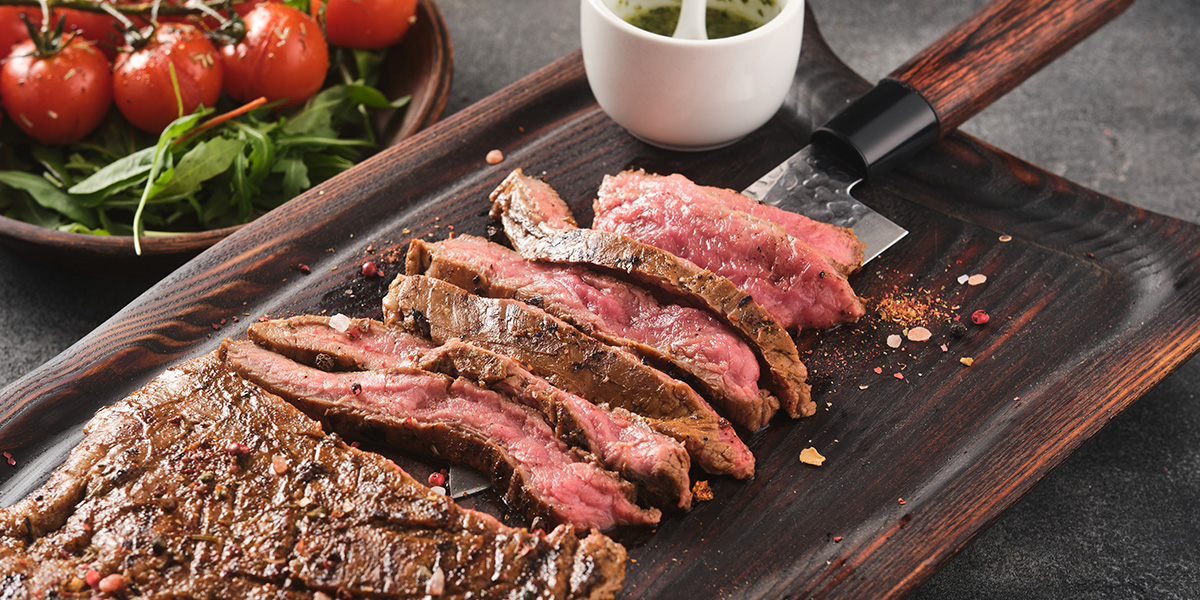
Skirt Steak:
Fine dining? Absolutely. When paired with seasonal vegetables or global flavors, skirt steak brings bold flavor and a more approachable price point to menus that traditionally rely on higher-cost steaks.
Petite Sirloin:
A strong option for bistro-style steak applications where portion control and consistent eating quality matter.
Flap Meat / Bavette:
Ideal for marinated dishes and globally inspired cuisine.
Chuck Roll:
Flavorful and well suited for braising or sous vide applications, offering an opportunity to elevate a traditionally underutilized cut.
Grass-fed Ground Beef:
A grass-fed option can add differentiation while aligning with diners seeking leaner, health-forward proteins.
These are just some of the cuts that offer a valuable combination of flavor, portion control, and cost management, while staying adaptable across cuisines and service models.
________________________________________
Consistency as a Differentiator
Consumers are increasingly seeking simple, recognizable ingredients, and beef fits naturally into that preference. When your kitchen depends on specific specs, textures, or trim levels, inconsistency adds friction.
The most reliable beef suppliers today focus on:
• Uniform genetics and grazing practices
• Rigorous quality assurance throughout the supply chain
• Year-round availability and spec predictability
Some suppliers, including vertically integrated programs like those offered by Teys, focus on tight control over product performance from pasture to plate. This level of consistency can be especially valuable in high-volume foodservice environments.
________________________________________
Grass-Fed as a Value-Add
Diners are increasingly curious about where their food comes from and how it was raised. Grass-fed beef continues to gain traction with operators looking to differentiate their menu with clear sourcing attributes. For many diners, the story behind the protein matters as much as the dish itself.
• Leaner eating profile that aligns with health-focused menu positioning
• Strong sourcing story that supports wellness-driven menus
• Menu versatility across steaks, burgers, bowls, and wraps
Programs like Urban Menu™, a Teys grass-fed and finished offering, give operators access to consistent supply while meeting growing consumer interest in grass-fed beef. Whether featured in a seasonal special or a core LTO, grass-fed beef can provide a meaningful point of differentiation.
________________________________________
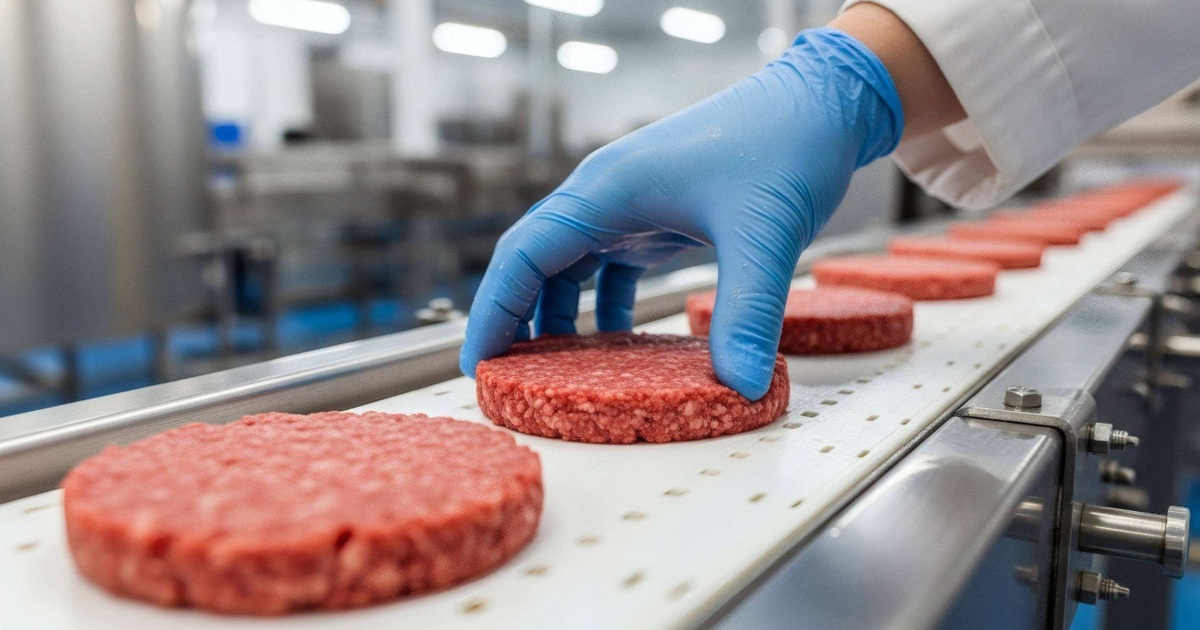
Trim Solutions for Grind Programs
Foodservice manufacturers and commissary kitchens are also under pressure to control grind specs and streamline inputs. Trim programs that offer stable pricing, consistent lean points, and verifiable sourcing can play an important role in maintaining quality across proprietary blends, prepared meals, and RTC/RTH formats. Teys USA’s trim products, for example, are used in both national chains and regional kitchen networks.
________________________________________
Partnership That Speaks the Culinary Language
Success in foodservice isn’t just about the product. It’s about partnership. The most effective suppliers bring:
• Cut and portion size expertise
• Menu ideation and staff training
• Forecasting support and documentation readiness
Whether launching a new SKU or reworking a portioning strategy, the right supply partner functions as an extension of your culinary team, not just your sourcing department.
________________________________________
Today’s foodservice challenges require flexible solutions and beef programs designed to adapt to changing market conditions. Whether through better utilization of underused cuts, smarter grind inputs, or sourcing stories that resonate with guests, operators have more tools than ever to build resilience without sacrificing quality.
For those leaning into efficiency and differentiation, versatility and consistency aren’t just goals. They’re strategic advantages.