Location:


 Return to News
Written by Sybil Hika
Understanding the difference behind one of beef’s most common claims.
Grass-fed beef continues to grow in popularity, but not all grass-fed programs operate the same way. For retailers, foodservice operators, and manufacturers, understanding how cattle are raised and finished is essential to delivering consistent products and meeting customer expectations.
Here’s why that distinction matters, and what buyers should consider when sourcing.
________________________________________
1. Grass-Fed Is a Starting Point, Not the Full Picture
In many markets, the term grass-fed refers to how cattle are raised during part of their lifecycle. In some production systems, cattle may start on pasture and transition to grain-based diets later in life to support finishing.
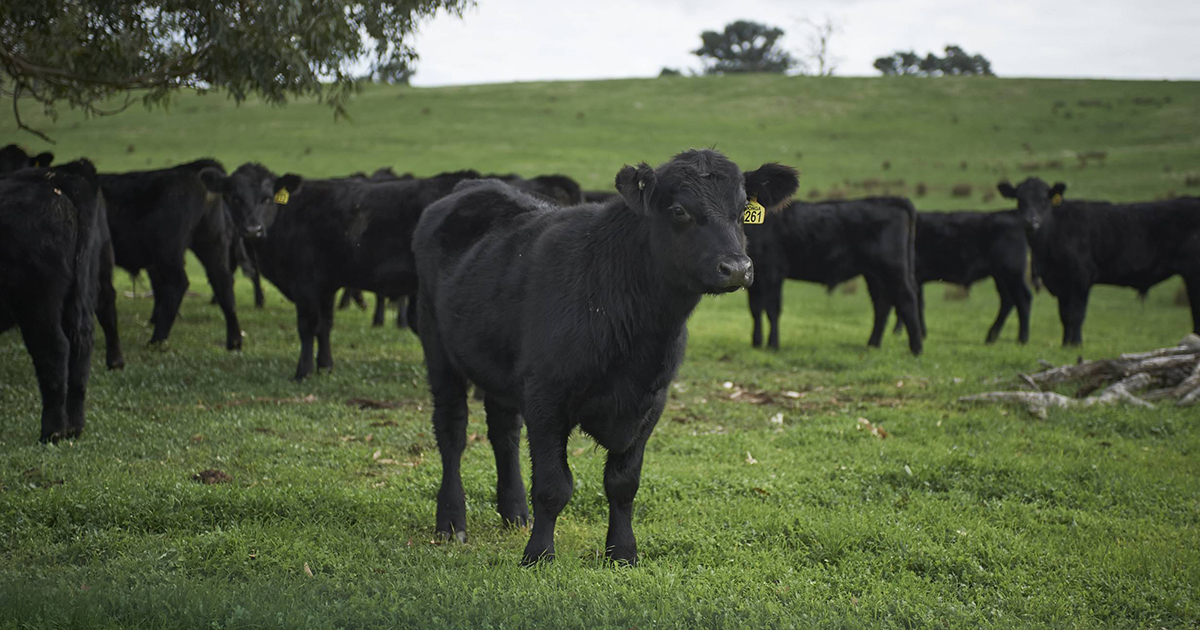
In contrast, some programs maintain cattle on pasture through finishing, meaning animals remain on grass without grain supplementation from start to finish. This approach is sometimes referred to as grass-finished, though terminology can vary by market and program.
That distinction can influence:
• Fat composition and leanness
• Eating experience and consistency
• How products align with clean-label or diet-driven positioning
For buyers, understanding whether cattle remain on pasture through finishing helps set clearer expectations around performance and sourcing.
________________________________________
2. Why Production Systems and Geography Matter
One important, often overlooked factor in grass-fed programs is where cattle are raised.
The baseline definition of grass-fed can vary by country due to differences in land availability, climate, and production systems. In the United States, grass-fed programs may allow for different feeding practices during finishing depending on the specific claim or certification being used.
In Australia, production systems are shaped by large-scale, year-round pasture access and nationally coordinated livestock programs. These conditions support continuous grazing and make pasture-based finishing more practical at scale. Cattle are raised in open grazing environments, supported by established frameworks for traceability, animal care, and supply chain transparency.
The result is a dependable source of beef raised on pasture through finishing, aligned with both customer expectations and commercial supply needs.
________________________________________
3. Nutritional and Label Considerations
Beef raised on pasture through finishing is often associated with:
• Leaner profiles
• Naturally occurring Omega-3s and CLA
• No added hormones or antibiotics, when sourced from verified programs
These attributes can support a range of customer needs, including clean-label positioning, simpler ingredient statements, and diet-aligned offerings.
It’s important to note that terminology and on-pack claims may differ by market and program. What matters most is that sourcing standards are clearly defined and supported by documentation, regardless of how the product is ultimately labeled.
Within Teys USA, some programs are designed around pasture-based sourcing standards and clearly defined production practices. For those looking to explore this further, programs like Truly Simple® and Pasturelands Beef Co. illustrate how those standards are applied.
________________________________________
4. Why This Matters for Retailers and Operators
For buyers, clarity reduces risk.
When sourcing standards are well defined and aligned with production systems:
• Labeling becomes easier to defend
• Product performance is more predictable
• Customer trust is strengthened
Clear communication around how cattle are raised and finished also helps avoid confusion at the shelf or on the menu, especially as consumers seek transparency without needing technical detail.
________________________________________
5. Proof Matters as Much as the Claim
Strong pasture-based programs are supported by traceability systems that verify origin, handling, and production practices. In Australia, tools such as the National Livestock Identification System (NLIS) help ensure accountability from farm through processing.
For customers, that means access to verified documentation, consistent specifications, and claims that stand up to scrutiny.
________________________________________
Closing Thought
Grass-fed is a meaningful starting point, but it doesn’t tell the whole story.
Understanding how cattle are finished, and how production systems differ by region, provides buyers with added clarity and confidence. When sourcing decisions are grounded in transparent systems and verifiable standards, customers can align product performance with expectations, without relying on terminology alone.